API Fishcare South Africa, homeShop online

Test Kits

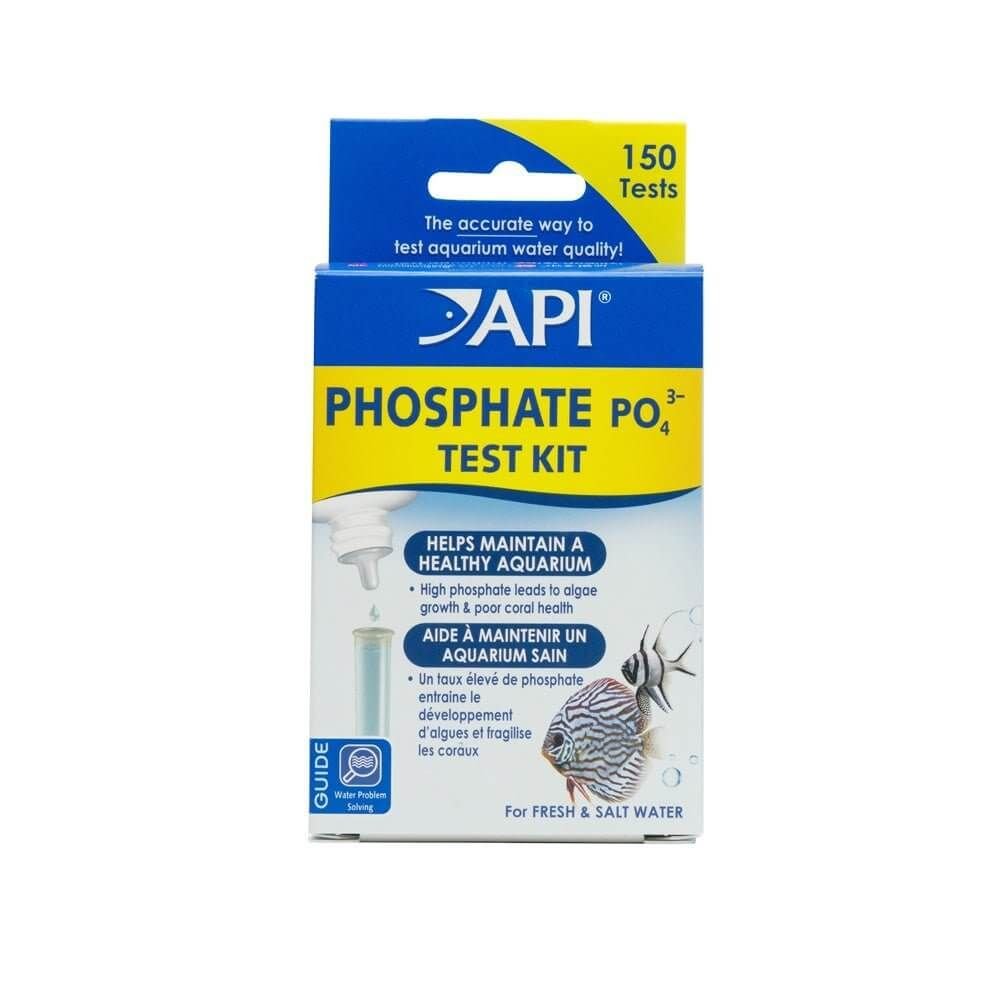
API Phosphate Test Kit

Liquid testFreshwater & marine150 tests

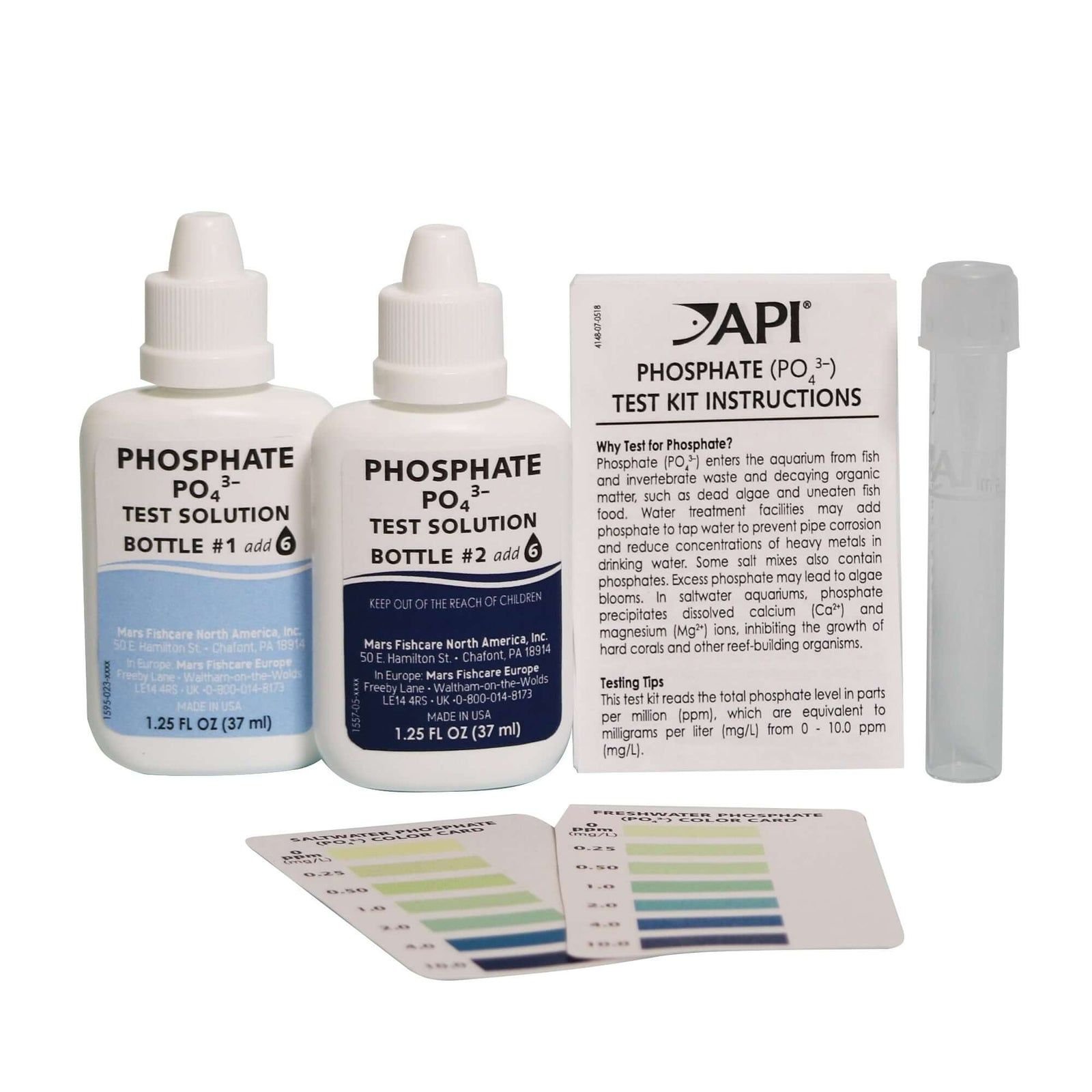
The API Phosphate Test Kit measures the nutrient that feeds algae. Phosphate comes in with tap water, fish food and waste, and as organics decay; in excess it drives green water and algae in freshwater tanks and stops hard corals growing in reefs. The two-reagent liquid test reads phosphate from 0 to 10 ppm with separate colour charts for fresh and salt water, and the kit holds 150 tests, a glass tube and instructions. API recommends testing weekly; a reading explains an algae problem far better than guessing at lights and feeding.

Live pricing and stock on jungleaquatics.com — purchase through Jungle Aquatics, with delivery across South Africa.
Technical details

Test typeLiquid reagent
ParametersPhosphate (PO4)
Range0 – 10 ppm
Tests per kit150
Suitable forFreshwater and saltwater aquariums
In the box2 reagent bottles, glass test tube, 2 colour charts, instructions
How oftenWeekly
Made byMars Fishcare, USA

What phosphate level causes algae?

Algae will use whatever it can get, but in a freshwater aquarium readings above about 1 ppm are where green water, hair algae and a film on the glass become persistent, and a well-run planted tank usually sits well under that. Reef aquariums are far stricter — hard corals want phosphate kept to a small fraction of a part per million, ideally below 0.1 ppm, or growth slows and nuisance algae smothers the rock. If the kit reads high, cut feeding, check the tap water (it is a common source), remove decaying matter, and run Phos-Zorb in the filter to pull the level down; a larger water change helps only if the new water tests lower than the tank.

Find the algae’s food supply

Algae needs light, nitrate and phosphate, and phosphate is the one most keepers never measure. A tank with stubborn green algae or a pond-like green tinge almost always tests high. Knowing the number turns an algae fight into a nutrient problem with a solution — fewer feeds, better-quality food, and Phos-Zorb in the filter.

Reef tanks: corals stall before algae shows

In marine water, phosphate above a fraction of a part per million suppresses the calcification of stony corals, and it reacts with calcium to waste the supplement you are dosing. Weekly phosphate readings alongside calcium and KH are standard reef practice.

Two reagents, two charts, 150 tests

The test uses two reagent bottles and comes with colour charts for freshwater and saltwater, since the same phosphate level reads differently in each. One hundred and fifty tests is several years of weekly checks on a single tank.

Frequently asked questions

Where does phosphate in my tank come from?

Tap water, fish and invertebrate waste, uneaten food and decaying organics such as dead plant leaves and algae. Testing the tap water separately shows how much arrives with each water change.

Can I use the Phosphate Test Kit in saltwater?

Yes. The kit is for fresh and salt water and includes a colour chart for each.

How do I lower phosphate?

Feed less and better, remove decaying matter, use low-phosphate source water, and run API Phos-Zorb in the filter, which adsorbs phosphate and silicate.

How many tests are in the kit?

About 150 from the two reagent bottles.

Is the API Phosphate Test Kit available in South Africa?

Yes — Jungle Aquatics in Fourways, Johannesburg stocks it and delivers nationwide; live pricing and stock are on jungleaquatics.com.

South African flagAvailable in South Africa

Stocked & supported by Jungle Aquatics

South Africa's leading pet and aquarium store since 2007 — with the API range on the floor in Fourways, advice from people who test water every day, and easy ordering from anywhere in the country.