API Fishcare South Africa, homeShop online

Test Kits

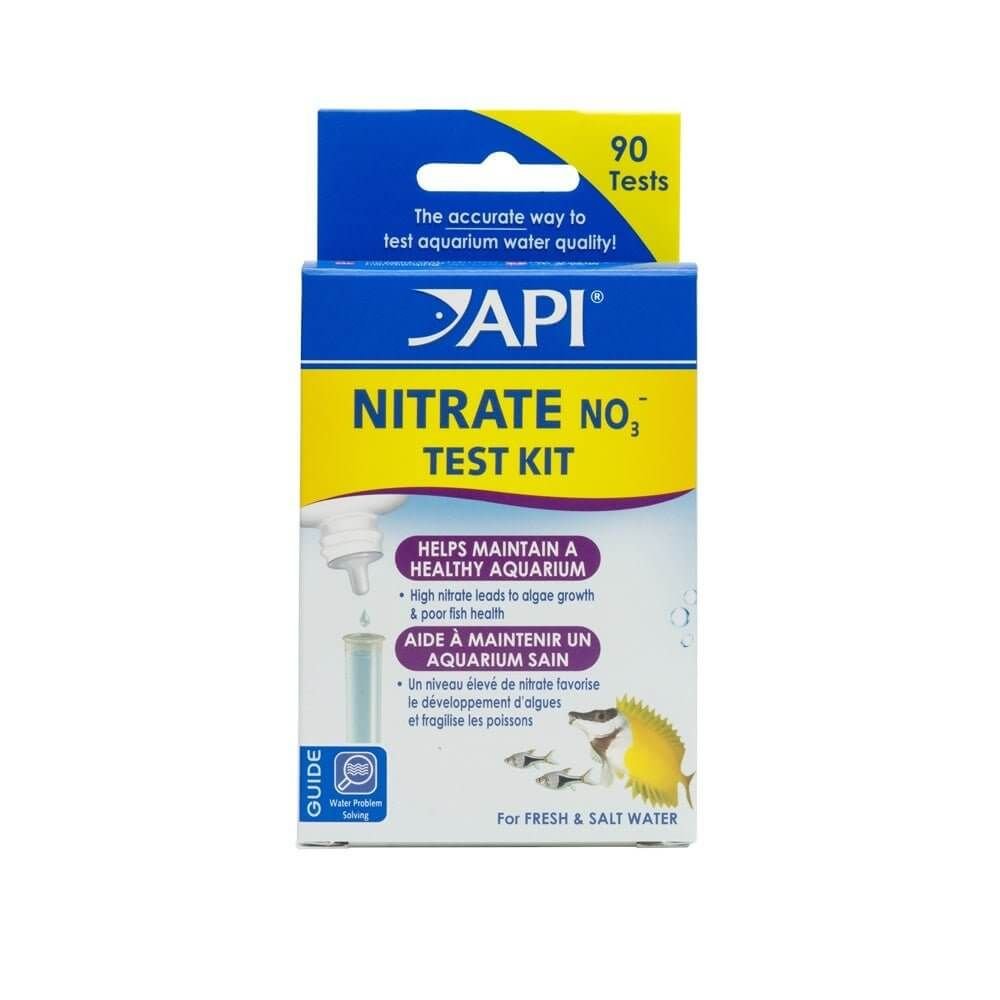
API Nitrate Test Kit

Liquid testFreshwater & marine90 tests

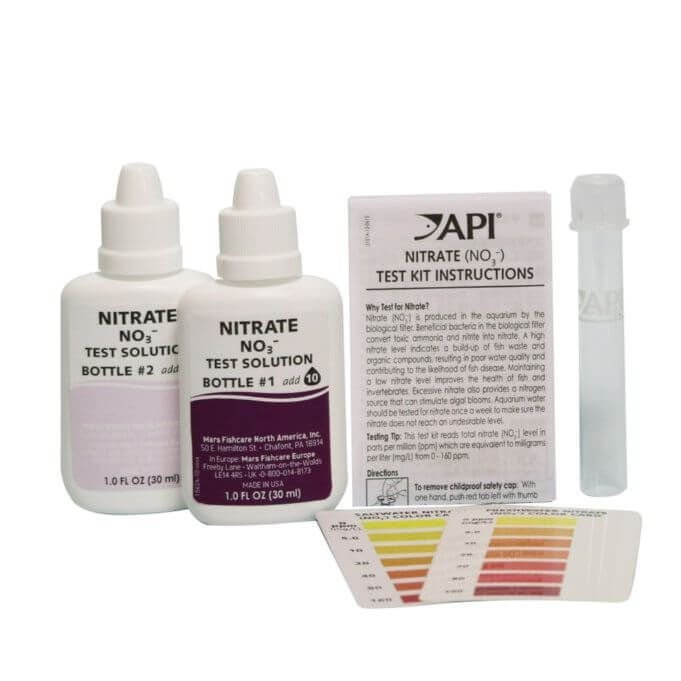
The API Nitrate Test Kit measures the end product of the nitrogen cycle. Nitrate is far less toxic than ammonia or nitrite, but it accumulates between water changes, and high levels make fish sluggish, dull their appetite and feed algae blooms. The two-reagent liquid test reads from 0 to 160 ppm in freshwater and saltwater, and the kit contains 90 tests, a glass tube and a colour chart. Tested weekly or fortnightly, it turns water changes from a guess into a schedule.

Live pricing and stock on jungleaquatics.com — purchase through Jungle Aquatics, with delivery across South Africa.
Technical details

Test typeLiquid reagent
ParametersNitrate (NO3)
Range0 – 160 ppm
Tests per kit90
Suitable forFreshwater and saltwater aquariums
In the box2 reagent bottles, glass test tube, colour chart, instructions
Time per testAbout six minutes including the wait
How oftenWeekly or fortnightly
Made byMars Fishcare, USA

How much nitrate is too much?

For most freshwater community tanks aim to keep nitrate under 40 ppm, and under 20 ppm for sensitive species, breeding tanks and heavily planted set-ups; reef aquariums generally run below 10 ppm. Unlike ammonia and nitrite, nitrate is a slow poison — fish lose appetite and energy over weeks rather than hours — so the goal is a trend you control with water changes rather than an emergency response. If a reading comes back at 80 ppm or more, change 25% of the water now and again in a few days rather than one huge change, then look at feeding and stocking. Nitra-Zorb in the filter helps between changes.

The water-change gauge

Nitrate is what is left when the filter has done its job, so its level is a direct reading of how much waste has built up. A tank that reads 10 ppm after a change and 40 ppm a week later is telling you to change more water or feed less; one that barely moves can stretch its schedule.

Algae and coral health

Rising nitrate is one of the two main drivers of algae in freshwater tanks and limits the growth of corals in reef systems. Keeping it low with the kit as a guide does more for a clean tank than any algae treatment.

Shake the second bottle

The nitrate test is the one most often read wrongly, because reagent bottle 2 settles and must be shaken hard for the full time in the instructions before use. Do that, shake the tube for a minute and wait five minutes, and the reading is dependable from 0 to 160 ppm.

Frequently asked questions

Is high nitrate dangerous?

It is harmful but far less toxic than ammonia or nitrite. The effects are gradual — loss of appetite and sluggishness — and high nitrate also feeds rapid algae growth.

How often should I test nitrate?

Weekly or every two weeks, and whenever algae is getting ahead of you or fish seem listless.

Why does my nitrate always read zero?

In a stocked tank that is almost never true. Shake reagent bottle 2 vigorously for the full time in the instructions, then the tube for a minute, and wait five minutes before reading.

Does it work in saltwater?

Yes. The kit reads nitrate from 0 to 160 ppm in both freshwater and saltwater aquariums.

Is the API Nitrate Test Kit available in South Africa?

Yes — Jungle Aquatics in Fourways, Johannesburg stocks it and ships nationwide; live pricing and stock are on jungleaquatics.com.

South African flagAvailable in South Africa

Stocked & supported by Jungle Aquatics

South Africa's leading pet and aquarium store since 2007 — with the API range on the floor in Fourways, advice from people who test water every day, and easy ordering from anywhere in the country.