API Fishcare South Africa, homeShop online

Test Kits

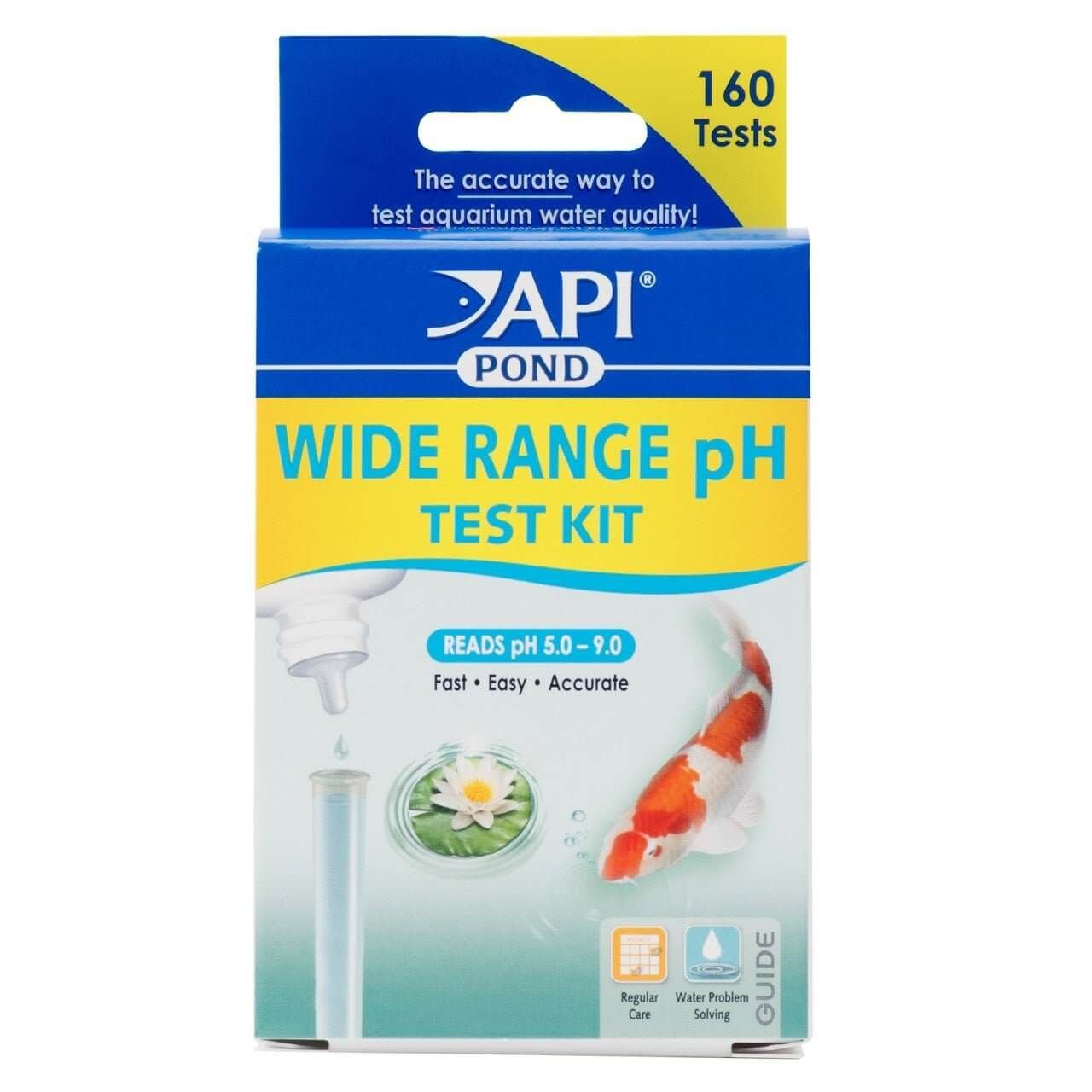
API Wide Range pH Test Kit

Liquid testPond160 tests

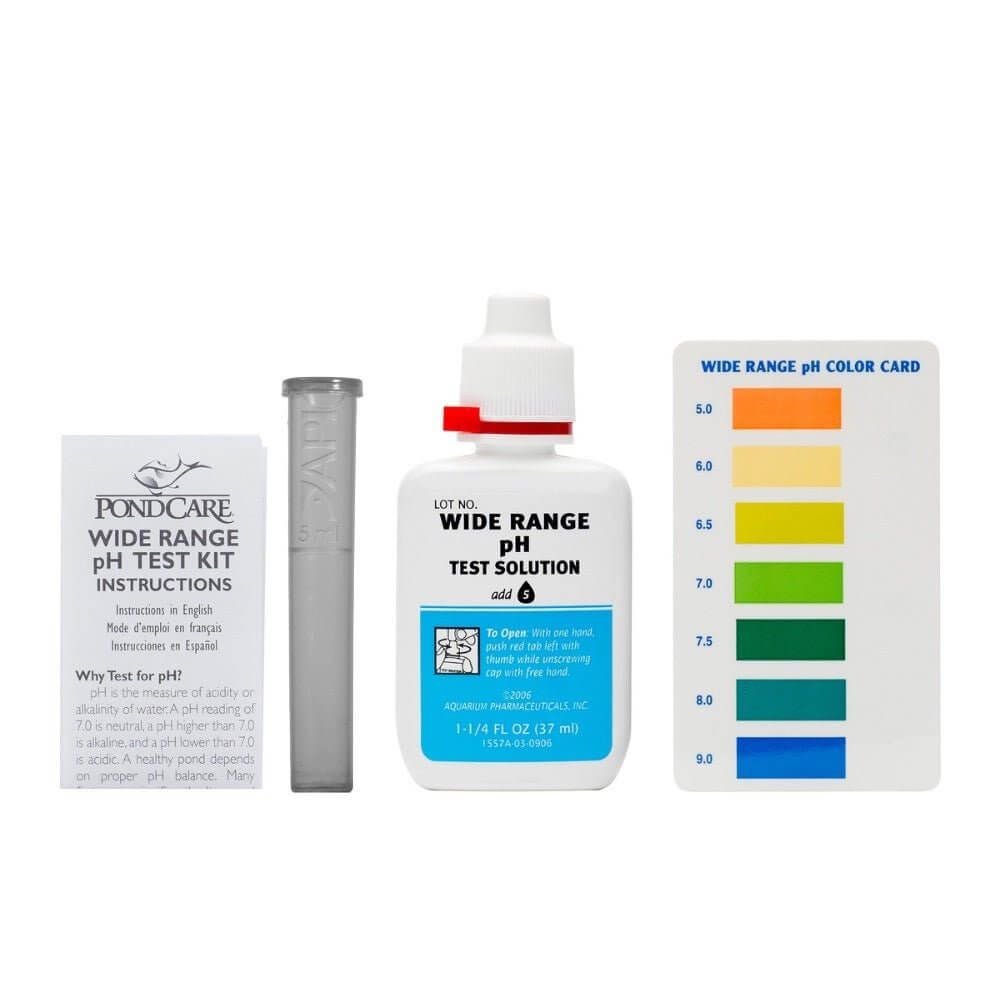
The API Wide Range pH Test Kit reads from 5.0 to 9.0 on a single colour chart. It is sold under the API Pond label because pond water swings further than an aquarium ever does — rain run-off, minerals in tap water, overstocking and ammonia can all push it either way — but the same breadth makes it a good first test for any water whose pH is unknown. One reagent bottle gives 160 tests, with a test tube and chart. Once you know roughly where the water sits, the narrower aquarium kits give a finer reading within that band.

Live pricing and stock on jungleaquatics.com — purchase through Jungle Aquatics, with delivery across South Africa.
Technical details

Test typeLiquid reagent
ParameterspH (wide range)
Range5.0 – 9.0
Tests per kit160
Suitable forPonds; also freshwater aquariums where pH is unknown
In the box1 reagent bottle, test tube, colour chart, instructions
Made byMars Fishcare, USA

What pH should a pond be?

Koi and goldfish ponds do best between 7.0 and 8.5, and stability matters more than the exact figure. Read the pond at the same time each week — early morning gives the lowest reading of the day — and look for trends rather than single numbers. A pond that drifts below 7.0 after rain or heavy stocking needs carbonate hardness and Pond pH Up; one above 8.5, often from limestone or concrete leaching, may need Pond pH Down. Because the kit reads from 5.0 to 9.0 it will always give you an answer; the 160 tests cover years of weekly checks.

One chart from acid to alkaline

An aquarium kit that reads 6.0 – 7.6 is useless on a pond that has drifted to 8.6 after a limestone rockery went in, or to 5.8 after a week of rain. The wide-range reagent covers the full 5.0 – 9.0 span so the answer is always on the chart.

Ponds swing; test them

Pond pH moves with rain, with the minerals in top-up water, with fish load and with the daily rhythm of plants and algae. A weekly reading through summer catches a crash or a climb before koi and goldfish show the stress, and tells you whether Pond pH Up or Pond pH Down is the right response.

Look after the test tube

Rinse the tube with water straight after each test so the reagent does not stain it, open the cap with a pull rather than a twist, and never wash it with soap — residue ends up back in the tank. A soft bottle brush and API Safe & Easy cleaning spray shift any stubborn colour.

Frequently asked questions

Is the Wide Range pH kit only for ponds?

It is labelled for ponds, but it reads any fresh water from 5.0 to 9.0 and is useful for an aquarium whose pH you do not yet know. Once you do, the narrower aquarium kits read more precisely.

Why does my test tube stain?

Reagent left in the tube after a test marks the glass over time. Rinse it with water immediately after reading, and clean stubborn colour with a small bottle brush — never soap.

How hard should I shake the tube?

Gently. Shake the reagent bottle vigorously, but for the test tube a steady inversion back and forth every second or two for the stated time is enough, with a finger on the cap.

How many tests are in the kit?

About 160 from the single reagent bottle.

Is the API Wide Range pH Test Kit available in South Africa?

Yes — Jungle Aquatics in Fourways, Johannesburg stocks it and delivers nationwide; live pricing and stock are on jungleaquatics.com.

South African flagAvailable in South Africa

Stocked & supported by Jungle Aquatics

South Africa's leading pet and aquarium store since 2007 — with the API range on the floor in Fourways, advice from people who test water every day, and easy ordering from anywhere in the country.