API Fishcare South Africa, homeShop online

Test Kits

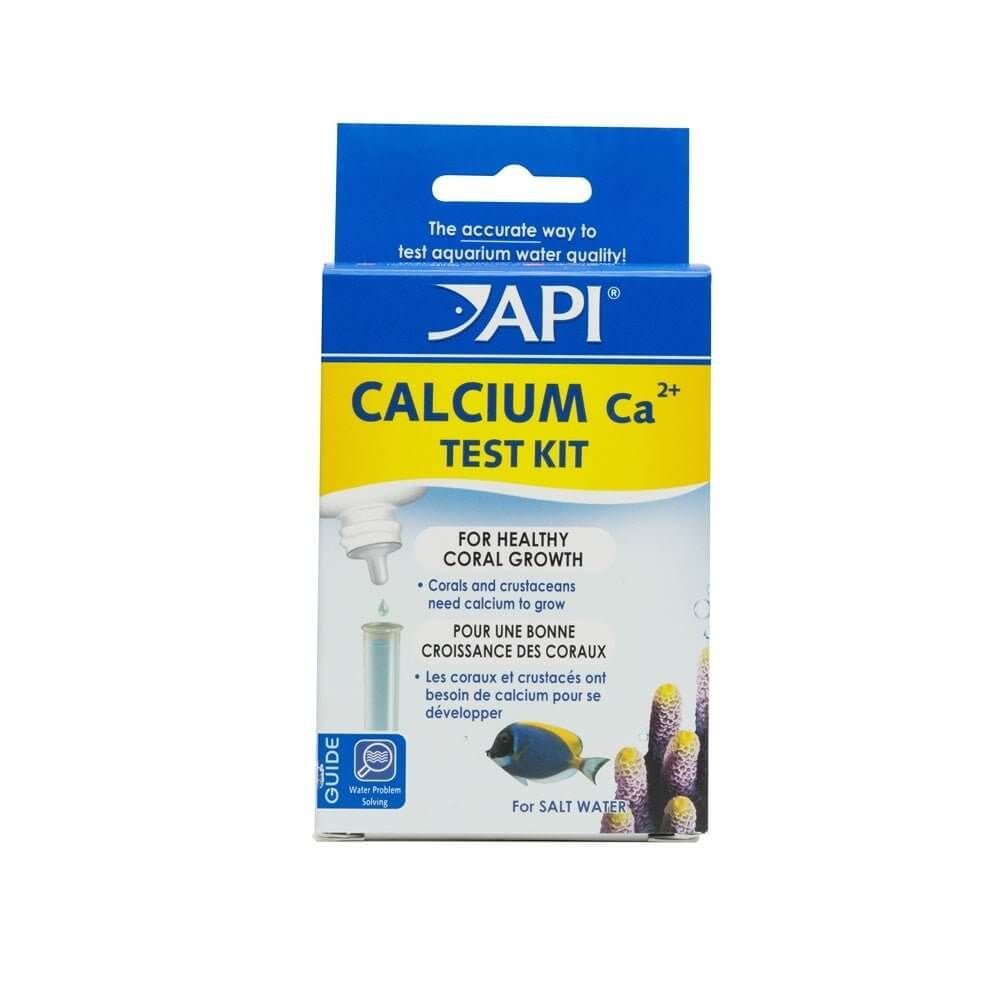
API Calcium Test Kit

Liquid testMarine

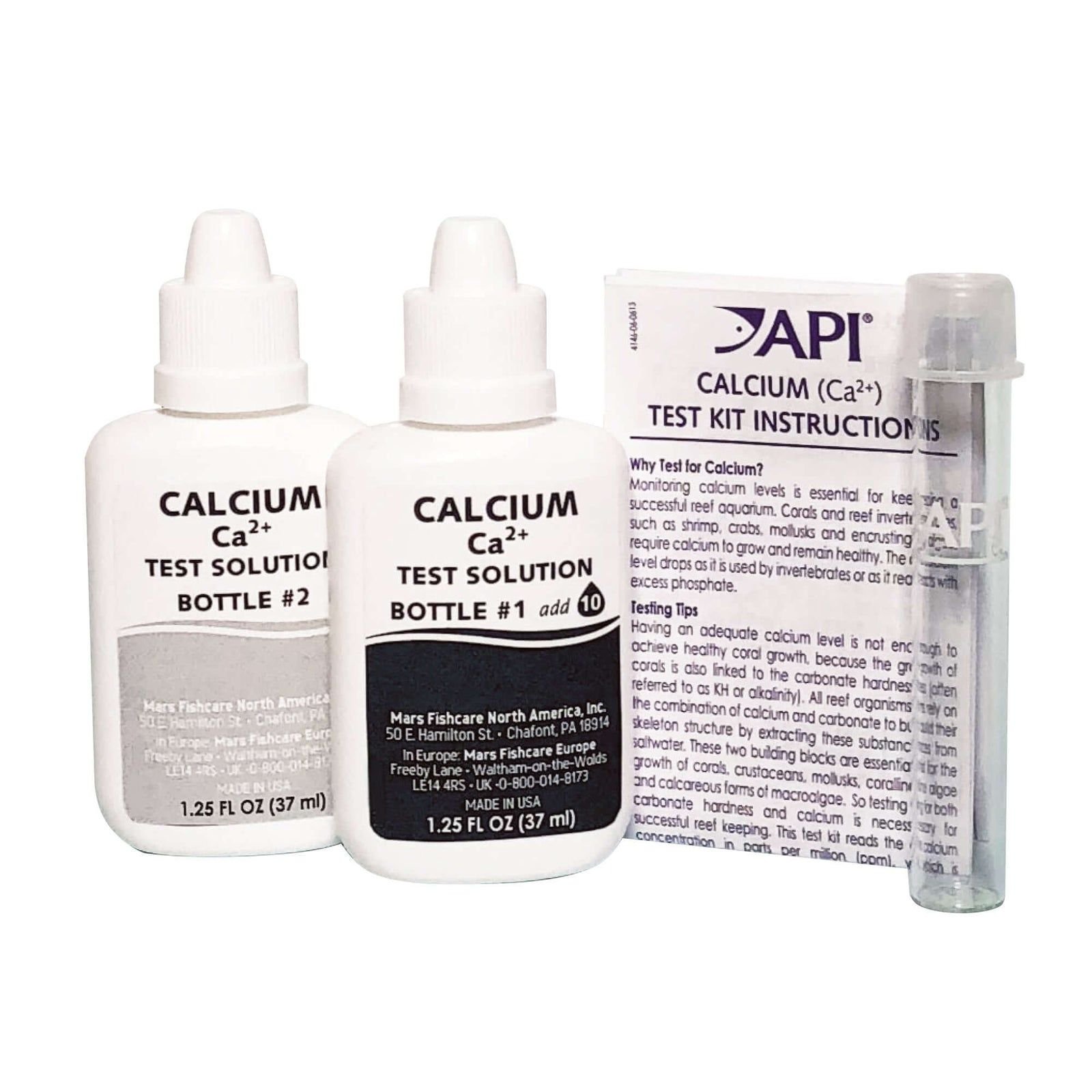
The API Calcium Test Kit is for reef and marine aquariums, where calcium is the building material of corals, crustaceans, molluscs and the coralline algae that colour live rock. Livestock draw it down steadily, and it also reacts with excess phosphate, so the level falls over time unless it is measured and replaced. The two-reagent test reads calcium down to 20 mg/L, and API recommends testing weekly. The kit includes two reagent bottles, a glass test tube and instructions. It is not needed in freshwater aquariums.

Live pricing and stock on jungleaquatics.com — purchase through Jungle Aquatics, with delivery across South Africa.
Technical details

Test typeLiquid reagent
ParametersCalcium (Ca)
Reads down to20 mg/L
Suitable forReef and marine aquariums
In the box2 reagent bottles, glass test tube, instructions
How oftenWeekly
Made byMars Fishcare, USA

What calcium level should a reef run at?

Natural seawater sits around 400 mg/L, and most reef keepers hold their tanks between 400 and 450 mg/L. Below about 350 mg/L stony corals and clams slow down and coralline algae fades; much above 500 mg/L the excess tends to precipitate out with carbonate and cloud the water. Test weekly, dose a calcium supplement to bring the reading back to target, and test KH at the same time, because calcium and alkalinity are consumed together and must be raised together. A fish-only marine tank does not need calcium dosing, and freshwater tanks do not need this test at all.

What corals are made of

Stony corals, clams and crustaceans pull calcium from the water to build skeletons and shells, and coralline algae does the same across the rockwork. When calcium runs short, growth stops and tissue recedes long before anything else looks wrong. Weekly testing keeps the supply ahead of the demand.

Reads low enough to matter

The kit measures calcium to as little as 20 mg/L, so it resolves the difference between a reef at a healthy 400 – 450 mg/L and one that has slipped to 350. That precision is what lets you dose a calcium supplement to a target rather than by habit.

Calcium, alkalinity and phosphate together

Calcium does not act alone: it needs carbonate hardness to be usable and it is wasted when phosphate is high. The Calcium kit, the KH kit and the Phosphate kit on this site are the three tests a reef runs every week.

Frequently asked questions

Do I need to test calcium in a freshwater tank?

No. Calcium monitoring is for reef and marine aquariums, where corals and crustaceans depend on it. Freshwater hardness is covered by the GH & KH kit.

How often should I test calcium?

Weekly, and more often after adding new corals or changing a supplement routine.

Why does my calcium keep falling?

Corals, clams and coralline algae consume it as they grow, and it also binds with excess phosphate. Test phosphate as well; keeping it low makes calcium dosing more effective.

Is the API Calcium Test Kit available in South Africa?

Yes — Jungle Aquatics in Fourways, Johannesburg stocks it and delivers nationwide; live pricing and stock are on jungleaquatics.com.

South African flagAvailable in South Africa

Stocked & supported by Jungle Aquatics

South Africa's leading pet and aquarium store since 2007 — with the API range on the floor in Fourways, advice from people who test water every day, and easy ordering from anywhere in the country.